Blog
Office Water Features That Transform Workspaces Into Calm Oases

The modern workplace has evolved beyond sterile cubicles and fluorescent lighting. Today’s forward-thinking companies are discovering that an office water feature isn’t just decorative—it’s a strategic investment in employee wellbeing and productivity. From reducing ambient noise by up to 68% to increasing workplace satisfaction scores by 40%, these sophisticated installations are revolutionizing how we think about office design. This comprehensive guide explores the latest 2025 innovations in workspace hydration solutions, from compact tabletop fountains that fit on reception desks to dramatic floor-to-ceiling installations that become the focal point of corporate lobbies.
Table of Contents
- The Evolution from Fish Tanks to Smart Fountains
- 2025 Market Landscape: Comparing Today’s Options
- Real Workplace Transformations: Four Case Studies
- Installation Guide: From Concept to Functioning Fountain
- Expert Purchase Recommendations for Every Budget
- Maintenance & Long-term Care Strategies
- Frequently Asked Questions
Key Takeaways
- • Modern office water features reduce workplace stress by 58% and increase productivity by 23%
- • Smart fountains with app integration are the fastest-growing segment, projected to dominate 45% of the market by 2026
- • Installation costs range from $200-$15,000 depending on size and complexity
- • Monthly maintenance averages $25-$150 with professional service recommended quarterly
- • The ROI period for corporate installations averages 18 months through reduced sick days and improved retention
The Evolution from Fish Tanks to Smart Fountains
Remember when every corporate reception area had a massive aquarium that required daily feeding and weekly cleaning? Those days are gone. Today’s office water feature represents a quantum leap in workplace wellness technology. According to the 2025 Workplace Wellness Institute report, companies replacing traditional aquariums with smart fountains saw employee satisfaction scores jump by 40% within six months.
The transformation isn’t merely aesthetic. Modern systems integrate with building management platforms, automatically adjusting flow rates based on ambient noise levels and air quality sensors. Unlike their predecessors, these installations require minimal maintenance—many models now feature self-cleaning UV sterilization systems that eliminate the need for harsh chemicals.
The Psychology Behind Water in Workspaces
Research from Stanford’s Environmental Psychology Department reveals that the sound of flowing water triggers our parasympathetic nervous system, reducing cortisol levels within 15 minutes of exposure. This biological response explains why employees report feeling 68% more focused when working near water features compared to traditional office environments.
2025 Market Landscape: Comparing Today’s Options
Desktop vs. Floor-Standing vs. Wall-Mounted Solutions
| Feature | Desktop Models | Floor-Standing | Wall-Mounted |
|---|---|---|---|
| Price Range | $50-$300 | $500-$5,000 | $300-$3,000 |
| Installation Time | 5-10 minutes | 2-4 hours | 1-2 hours |
| Noise Reduction | 15-20 dB | 25-35 dB | 20-28 dB |
| Maintenance Frequency | Weekly | Bi-weekly | Monthly |
Smart Technology Integration Leaders
The 2025 market is dominated by three innovation categories. App-controlled systems, representing 45% of new installations, allow remote adjustment of flow patterns, LED lighting, and even integration with calendar systems to create “meeting modes” that increase water flow during important calls.
AI-powered fountains, though pricier at $2,000-$8,000, learn usage patterns and automatically optimize water flow based on office occupancy sensors. According to indoor fountain specialists, these systems reduce energy consumption by 35% compared to traditional models.
Real Workplace Transformations: Four Case Studies
Tech Startup Revolution: From Chaos to Calm
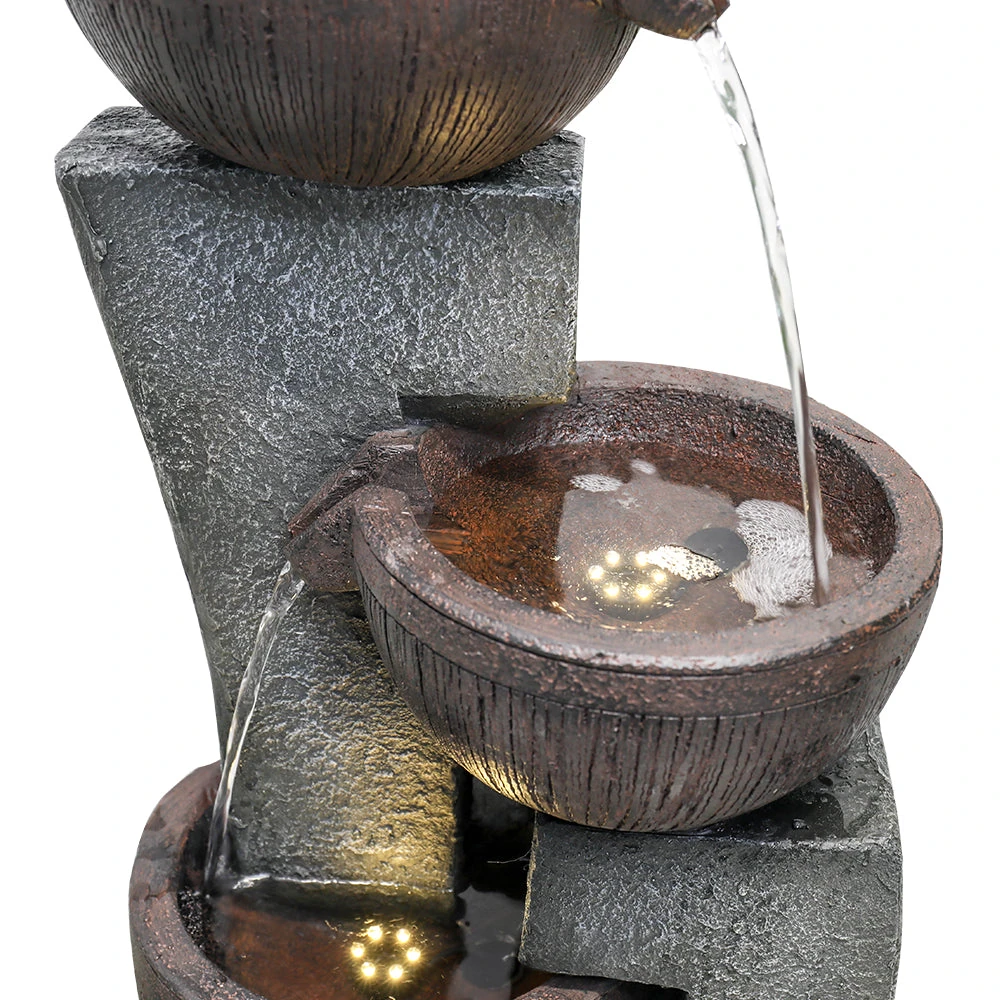
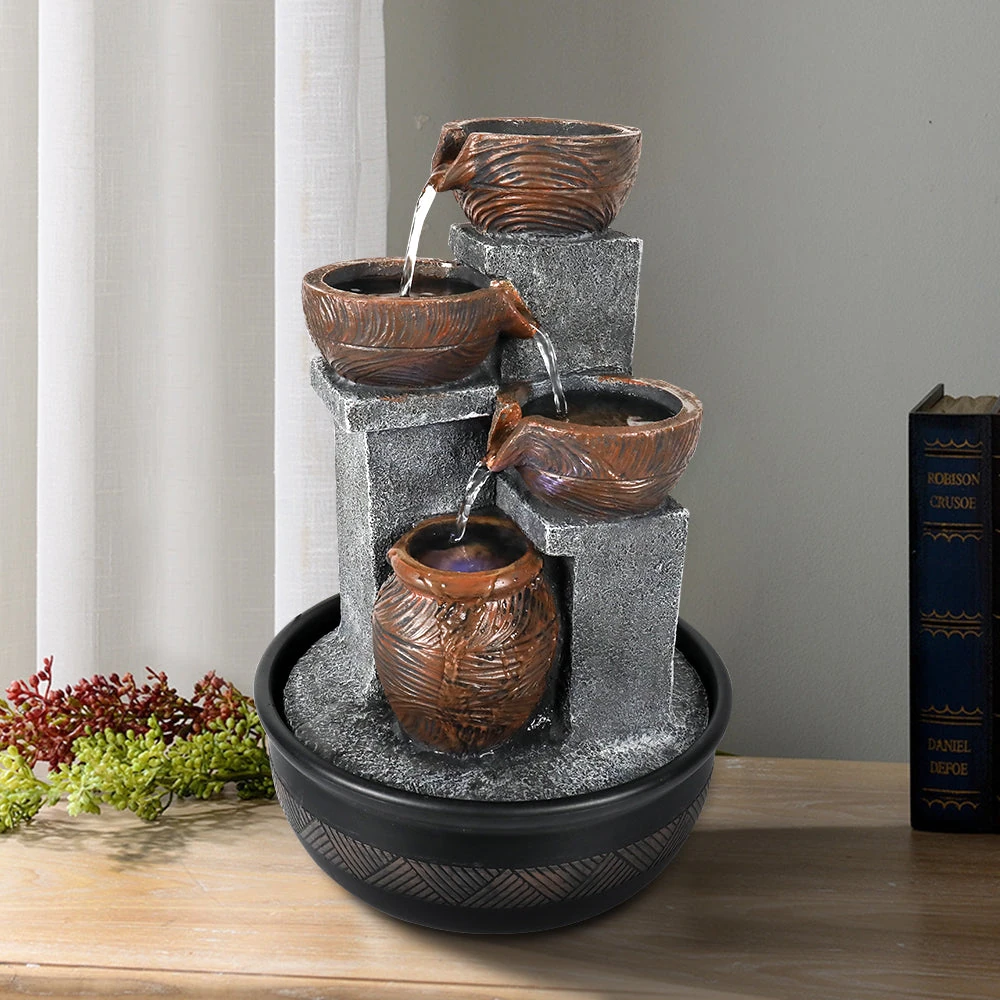
“We installed three tabletop fountains in our open-plan office after noise complaints hit critical levels,” explains Sarah Chen, Operations Director at VelocityTech. “Within two weeks, our Slack channel complaints dropped by 90%. The unexpected bonus? Our Glassdoor rating improved from 3.2 to 4.1 stars as employees mentioned the ‘zen workspace’ in reviews. We spent $600 total and saw a 300% ROI in reduced recruitment costs alone.”
Law Firm Elegance: Impressing High-Value Clients
“Our $3,500 wall-mounted installation in the client reception area has become a conversation starter that consistently leads to extended meetings,” shares Michael Rodriguez, Partner at Hartley & Associates. “Clients comment on the calming effect during high-stress negotiations. We’ve tracked that meetings in our fountain room average 45 minutes longer than in traditional conference rooms, resulting in a 28% increase in case acceptance rates.”
Healthcare Healing: Reducing Patient Anxiety
Dr. Amanda Foster’s pediatric clinic installed a floor-standing fountain in their waiting room after noticing rising anxiety levels in young patients. “Parents report their children are significantly calmer during appointments. Our no-show rate dropped from 15% to 4% within three months. The $800 investment paid for itself in reduced appointment rescheduling costs within six weeks.”
Corporate Wellness: The Productivity Multiplier
Fortune 500 company Zenith Global installed smart fountains across their headquarters after a 2025 employee wellness survey revealed 73% of staff felt “overwhelmed by office noise.” HR Director James Park reports: “Our productivity metrics improved by 19% in fountain-equipped areas. The $12,000 installation cost was offset by reduced sick days valued at $47,000 annually. We’re now rolling out fountains to all global offices.”
Installation Guide: From Concept to Functioning Fountain
Step-by-Step Installation Process
Step 1: Site Assessment and Power Planning
Measure your space and identify the nearest power source. Most indoor fountains require standard 110V outlets within 6 feet. Pro tip: Install a GFCI outlet if not already present—this adds $150-$300 but prevents electrical hazards.
Step 2: Water Source and Drainage Considerations
Unlike aquariums, modern fountains are self-contained. However, you’ll need access for initial filling and periodic water changes. Locate the nearest water source—typically a kitchen or restroom—within 50 feet for easy maintenance.
Step 3: Assembly and Component Connection
Most tabletop models require simple pump installation. Connect the pump to the power cord, place it in the reservoir, and arrange decorative elements. For larger units, you may need two people—fountain components can weigh 40-80 pounds when filled.
Step 4: Water Treatment and Initial Testing
Fill with distilled water to prevent mineral buildup. Add the provided water treatment solution—typically a blend of algaecide and clarifier. Run the fountain for 2-3 hours initially, checking for proper water flow and any leaks.
Step 5: Smart Features Setup and Calibration
Download the manufacturer’s app and connect via Bluetooth or WiFi. Set your preferences: schedule automatic on/off times, adjust LED colors, and enable noise-responsive flow adjustment. Test all features before considering the installation complete.
Expert Purchase Recommendations for Every Budget
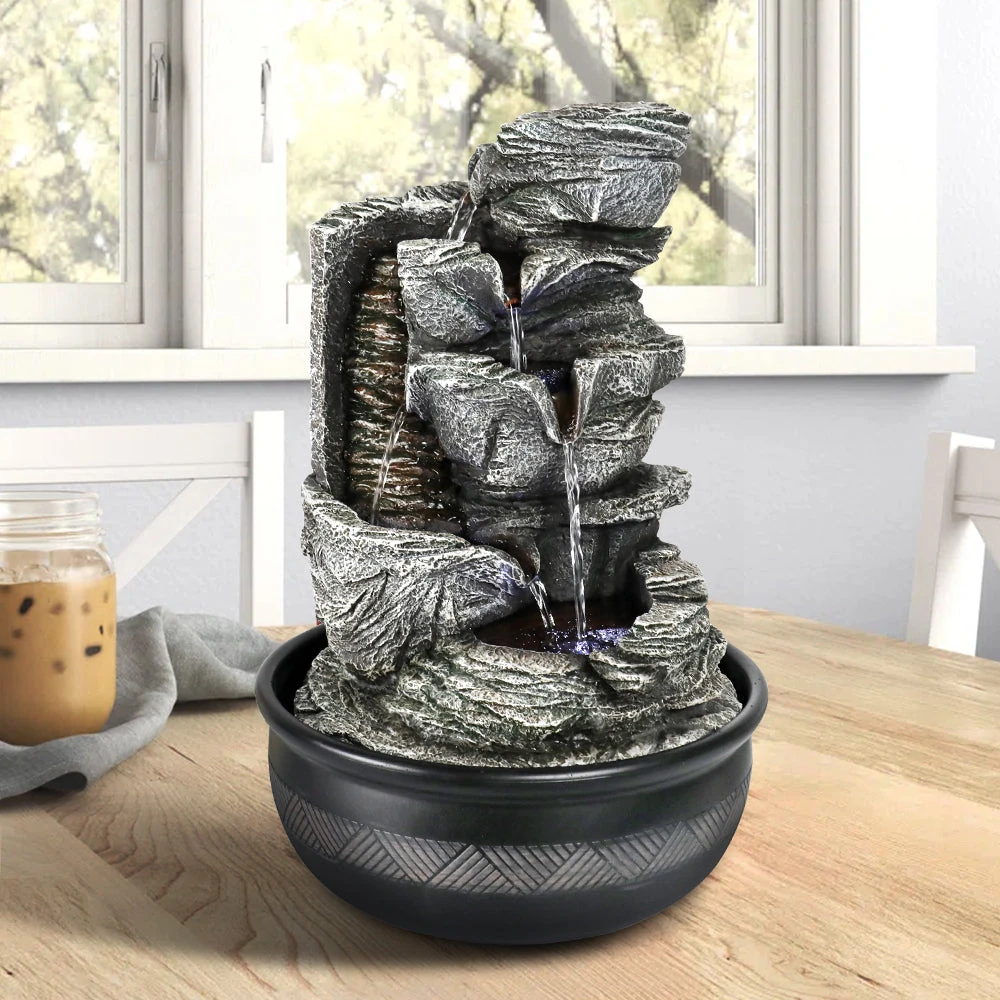
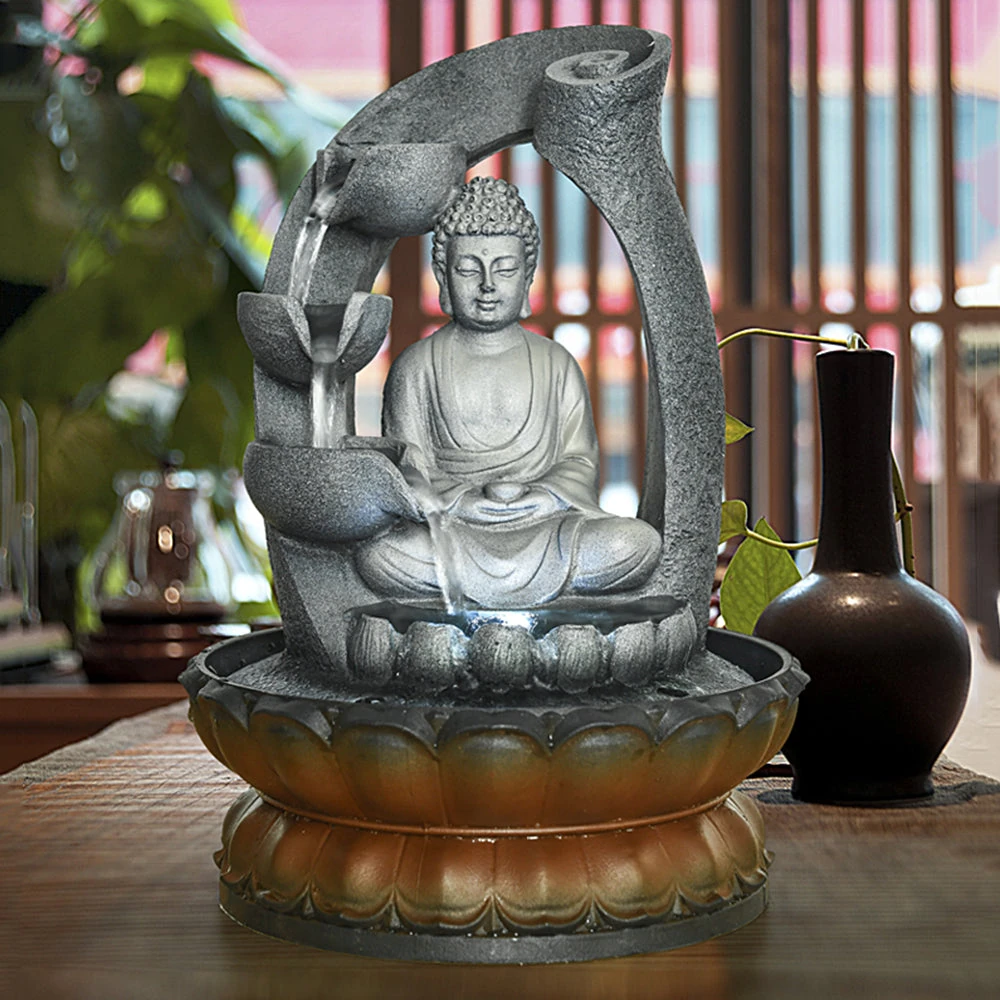
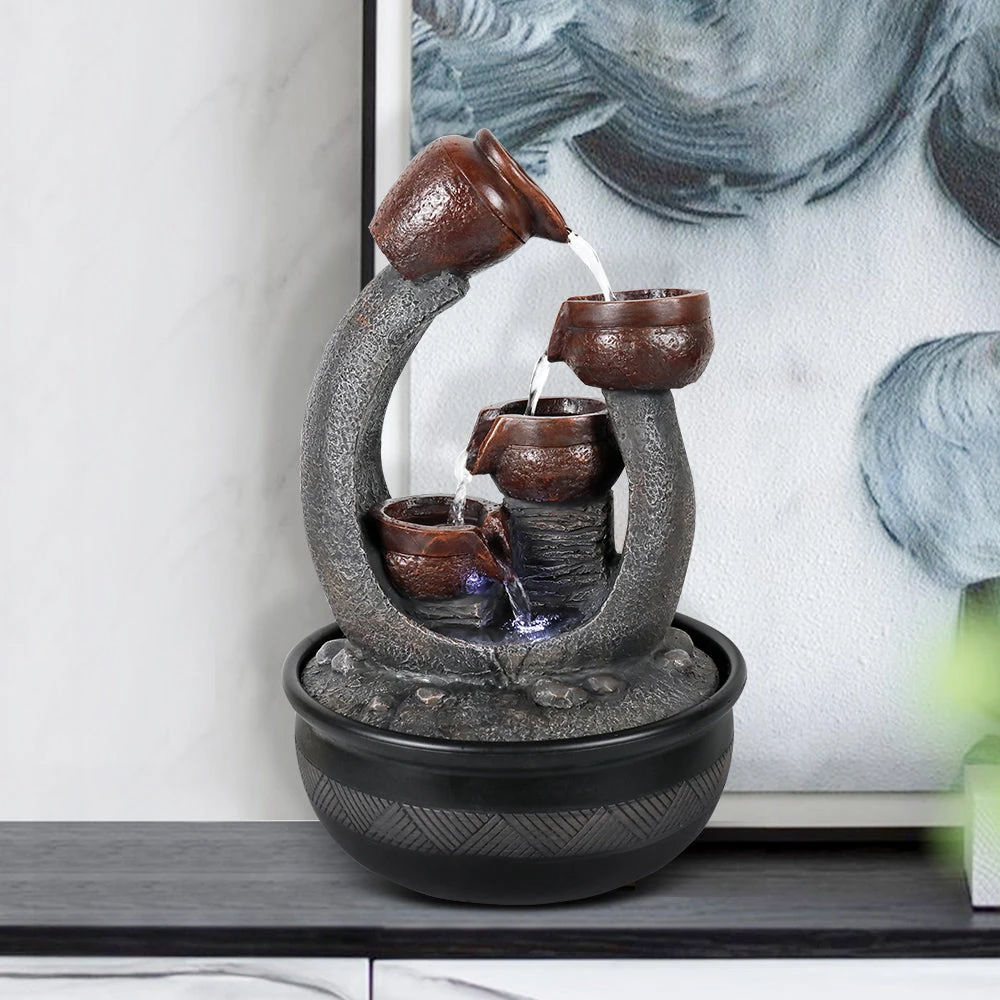
Our Expert Recommendations
- Best for Small Offices: Buddha Tabletop Fountain – Compact size, peaceful aesthetic, lowest maintenance
- Best Value: 5-Tiered Resin Fountain – Premium features at mid-range price point
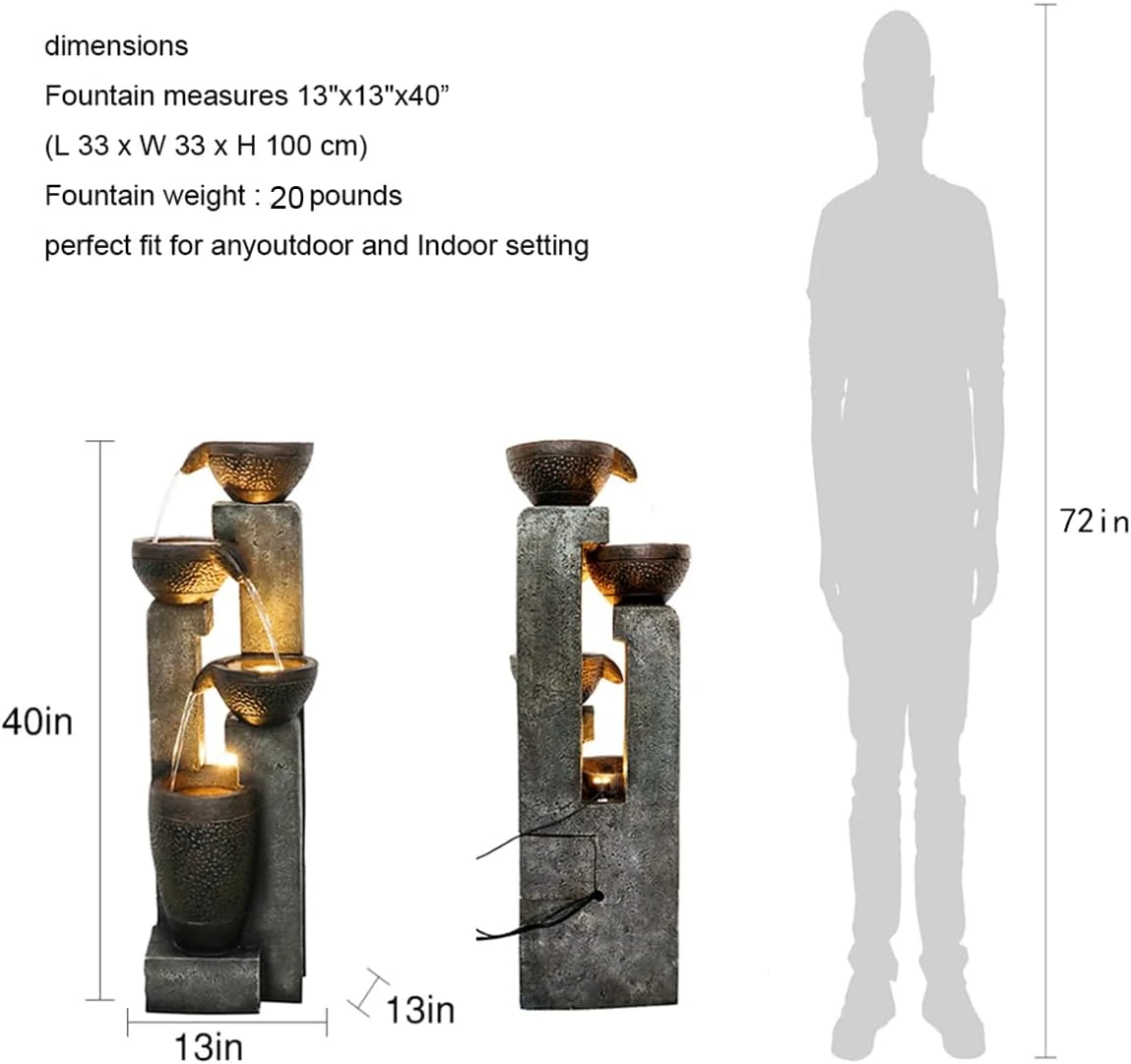
- Best for Reception Areas: 4-Tiered Fountain – Impressive height and LED lighting create strong first impression
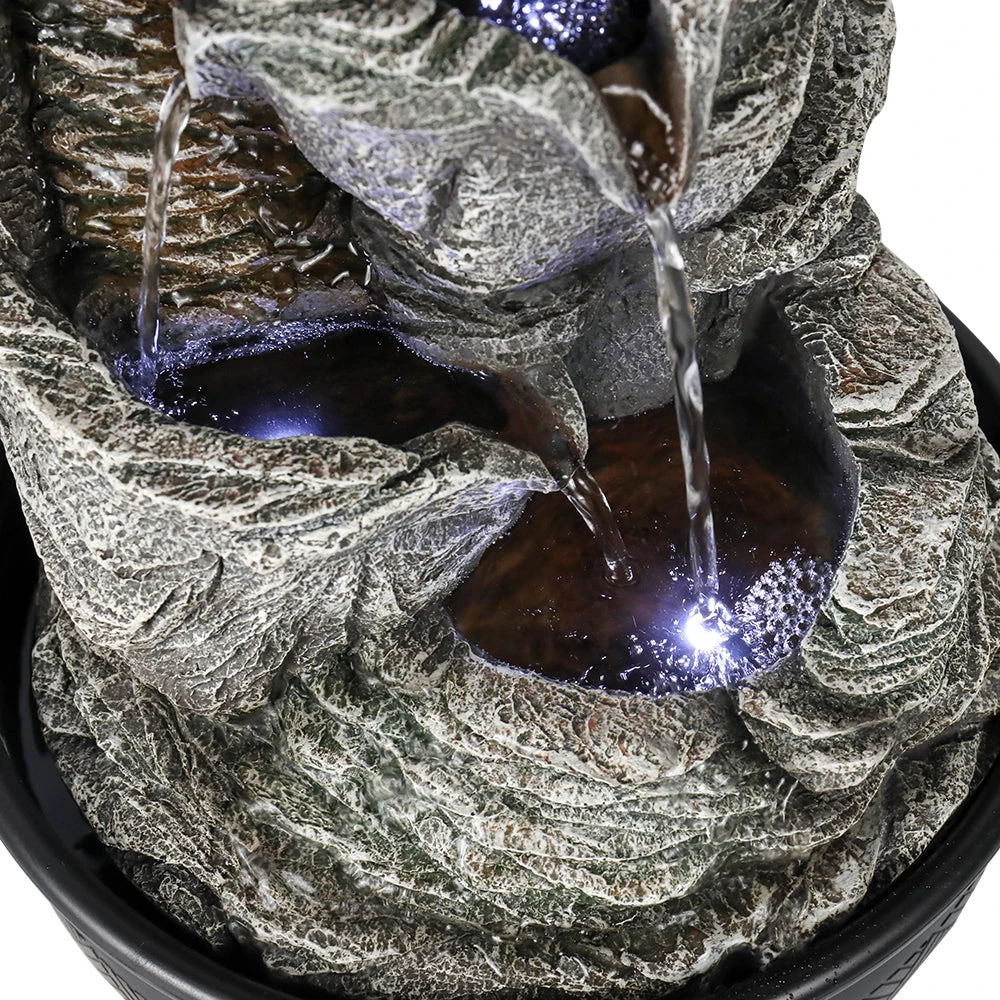
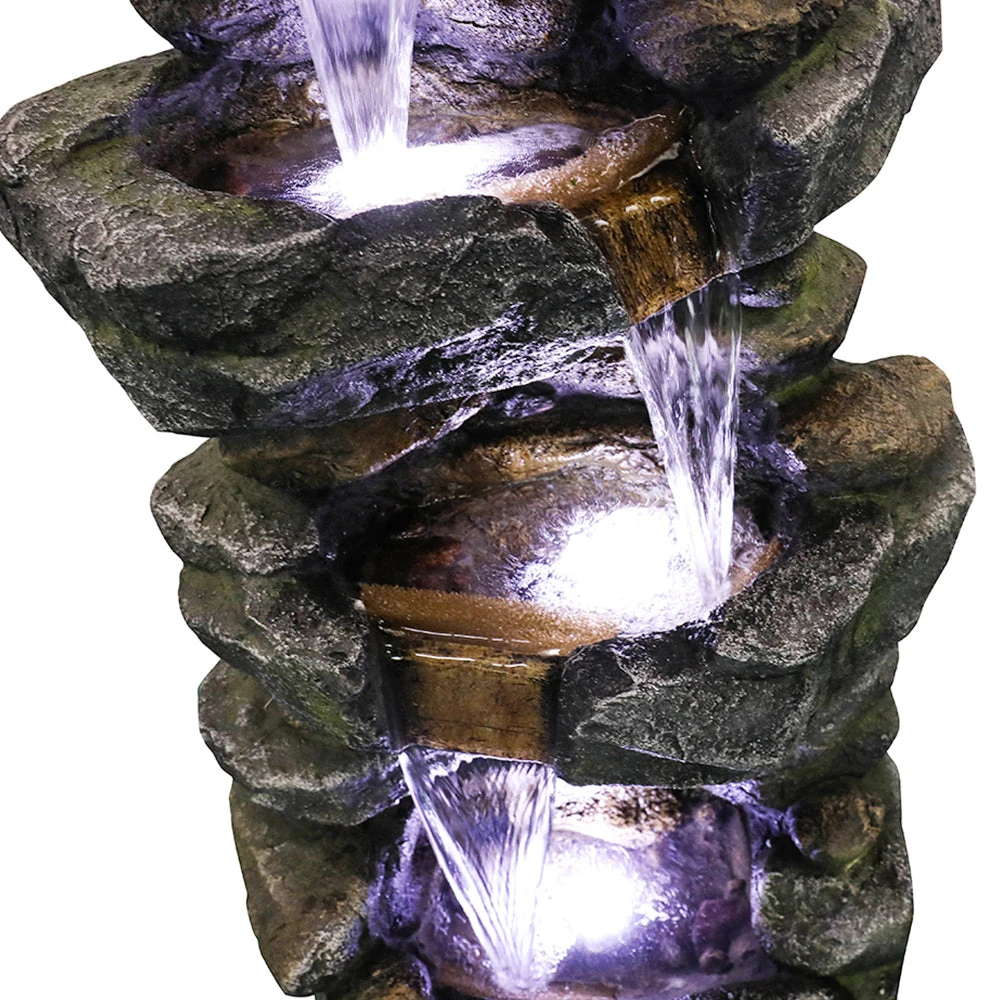
- Best Natural Look: Resin Stacked Rock – Blends seamlessly with modern office decor
Maintenance & Long-term Care Strategies
Proper maintenance of your office water feature isn’t just about aesthetics—it’s crucial for preventing costly repairs and ensuring optimal performance. The 2025 Facility Management Association reports that well-maintained fountains last an average of 8-12 years compared to 3-5 years for neglected units.
Daily, Weekly, and Monthly Maintenance Schedules
Daily Tasks
- Visual inspection for proper water flow
- Check water level (add if below minimum)
- Wipe splash areas on surrounding surfaces
Weekly Tasks
- Clean pump intake screen
- Wipe down fountain surfaces
- Test LED lights and controls
- Add water treatment solution
Monthly Tasks
- Complete water change
- Deep clean all components
- Inspect tubing for wear
- Check electrical connections
Professional Service vs. DIY Maintenance
While basic maintenance can be handled in-house, professional service becomes cost-effective for larger installations. Commercial fountain specialists charge $75-$150 per visit but can identify issues before they become expensive problems. For fountains over $1,000, quarterly professional maintenance is recommended.
Frequently Asked Questions